Same-Day Dental Crowns: Are They Worth It?
If you have ever been told you need a crown, your first question is usually not about ceramic composition or milling accuracy. It is much simpler: how many appointments will this take, and how disruptive is it going to be?
That is exactly why same-day crowns have become so appealing. The idea sounds almost too convenient. You walk in with a damaged tooth and leave a few hours later with a finished restoration, no temporary crown, no second injection a week later, no return trip to fit the final piece. For busy patients, that promise carries real weight.
Still, convenience is only one part of the decision. Dental crowns need to do hard work. They protect weakened teeth, restore chewing function, and in many cases determine whether a tooth lasts another five years or another twenty. So the right question is not whether same-day crowns are faster. They are. The better question is whether they are worth the cost, the time in the chair, and the trade-offs compared with a traditional lab-made crown.
The short answer is that they often are worth it, but not for every tooth, every bite, or every patient.
What a same-day crown actually is
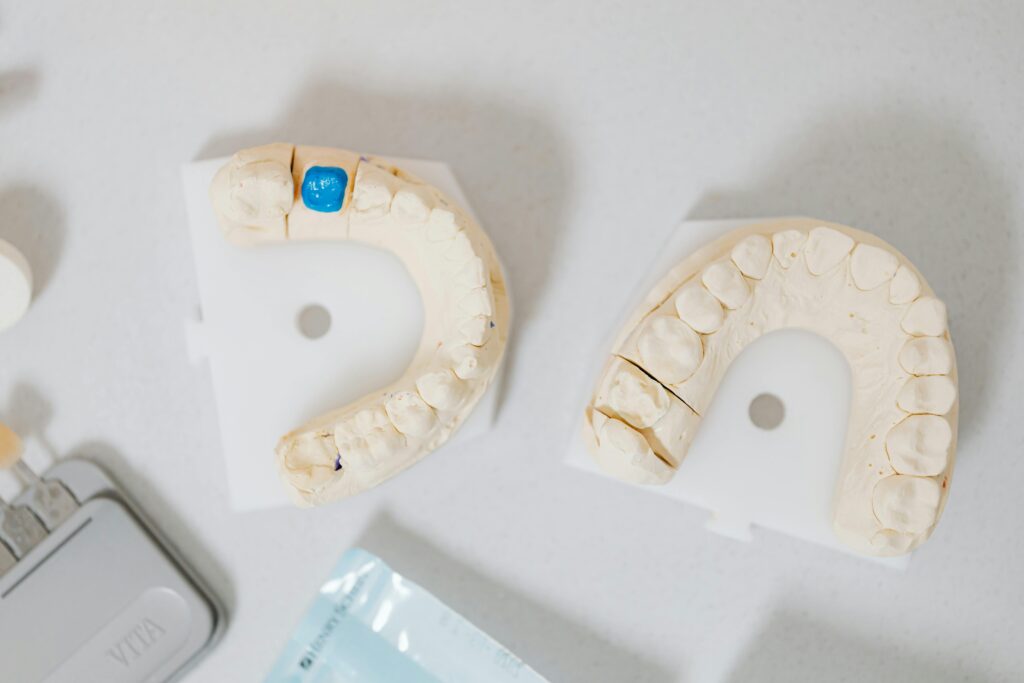
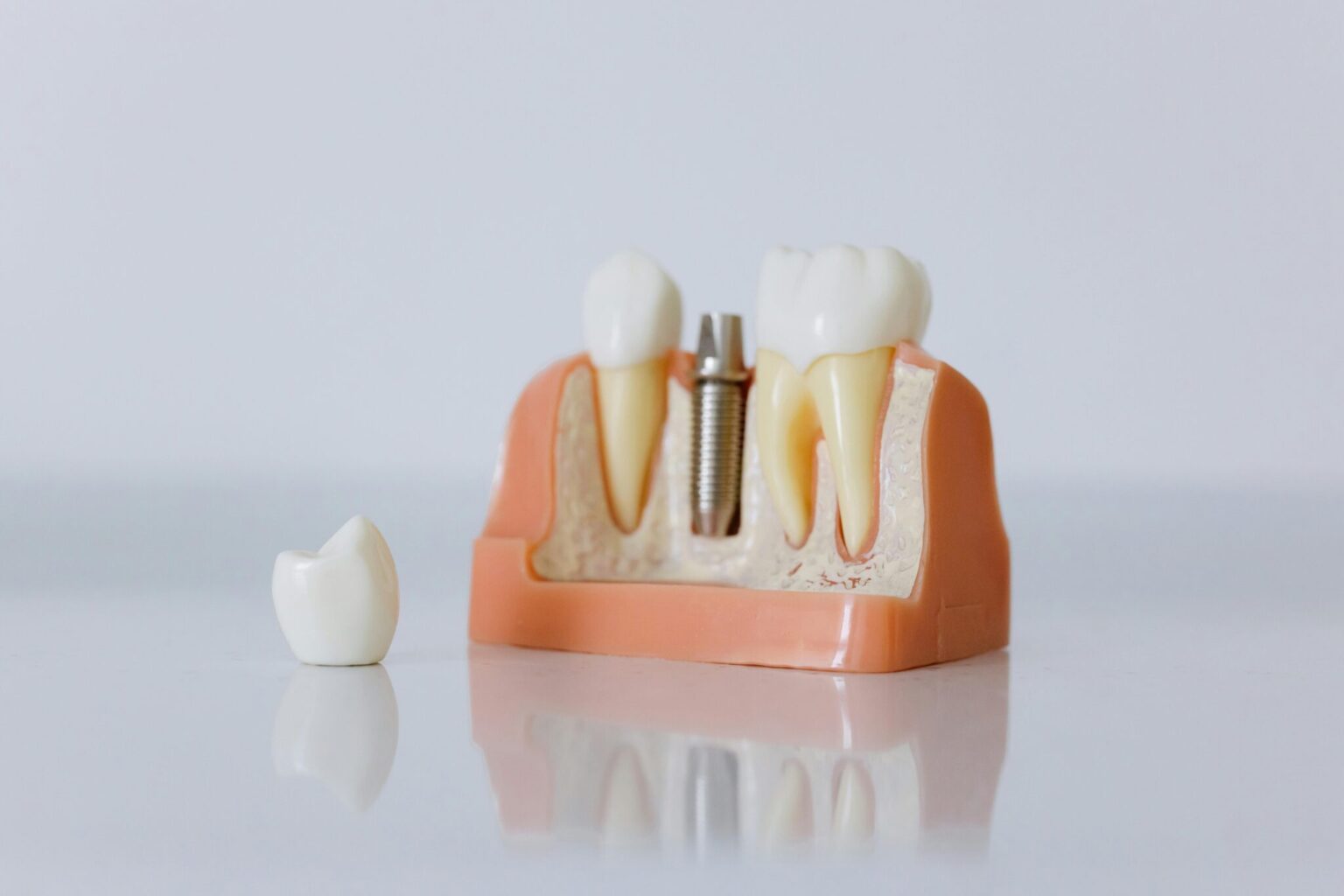
A same-day crown is typically a ceramic crown designed, milled, and fitted in a single visit using chairside CAD/CAM technology. The dentist prepares the tooth, takes a digital scan instead of a traditional impression, designs the crown on a computer, and sends that design to an in-office milling unit. The crown is then adjusted, polished or fired depending on the material, and cemented that same day.
Traditional crowns follow a different path. After the tooth is prepared, an impression or digital scan is sent to a dental lab. You wear a temporary crown while a technician fabricates the permanent one. A week or two later, you come back for cementation.
On paper, both routes end with a crown. In practice, they are not identical products. The workflow, material options, and degree of customization can differ quite a bit.
Why patients like the one-visit option
The appeal of same-day Dental Crowns is easy to understand once you have watched a patient deal with a temporary crown for ten days. Temporary crowns are useful, but they are not elegant. They can feel bulky, come loose, trap food, or fracture at inconvenient moments. Even when they behave, patients often baby that side of the mouth until the final appointment.
A one-visit crown eliminates that phase entirely. For professionals who travel, parents juggling school pickups, or anyone who cannot easily take time off work, one appointment can be a meaningful advantage. I have seen people postpone treatment for months, not because they feared the dentistry, but because they could not manage two visits and the hassle of a temporary.
There is also less chance of something changing between appointments. Temporary crowns can shift slightly. Teeth can be sensitive. Gum tissue can become irritated. When the permanent crown is made and placed on the same day, there is less opportunity for those variables to complicate fit.
That does not mean same-day is automatically better. It means the convenience is real, not marketing fluff.
Where same-day crowns genuinely shine
For certain situations, same-day crowns are an excellent solution. A molar with a large fracture but enough healthy tooth structure remaining is a classic example. The patient needs protection quickly, wants to avoid a temporary, and is less concerned about achieving the kind of subtle esthetics that matter on a front tooth.
They also make sense for patients with strong gag reflexes. Digital scanning is usually much easier to tolerate than trays full of impression material. The scan can still take patience, especially if the patient has limited opening or heavy saliva flow, but for many people it is a major improvement.
Same-day crowns are also helpful when there is concern about a patient not returning promptly for the second visit. Dentistry works best when the treatment plan is completed. A prepared tooth left under a temporary for too long can create avoidable problems, from leakage to decay to fractured temporary material.
The question of quality
This is where the conversation gets more nuanced.
Many patients assume a crown made in a dental lab must be superior because a human technician is involved. Others assume a digitally milled crown must be superior because computers are involved. Neither assumption is reliable on its own.
The quality of any crown depends on several variables: the dentist’s preparation, the accuracy of the scan, the software design, the material chosen, the calibration of the milling unit, the bite adjustment, and the cementation protocol. A well-made same-day crown can perform beautifully. A poorly executed same-day crown can fail early. The same is true for a lab crown.
That said, there are legitimate differences. Skilled lab technicians can produce highly individualized restorations, especially in difficult cosmetic cases. They can layer ceramics, develop subtle translucency, and contour anatomy with an artistic touch that chairside systems do not always match. For a front tooth that must blend seamlessly with neighboring teeth under natural light, the lab often has the edge.
For back teeth, particularly when function matters more than perfect cosmetic mimicry, same-day crowns are often more than adequate and sometimes excellent.
Materials matter more than marketing
When people compare Dental Crowns, they often focus on the number of visits and forget to ask what the crown is actually made of.
Same-day crowns are commonly milled from ceramic blocks, often lithium disilicate or zirconia depending on the system and the indication. Both can be strong and attractive, but they behave differently. Lithium disilicate tends to offer very good esthetics and respectable strength, making it a common option for many single crowns. Zirconia is stronger, especially useful in high-load areas, but the esthetic result can vary depending on the type and the case.
Traditional lab crowns offer a broader menu. That can include layered ceramics, full-contour zirconia, porcelain fused to metal, gold alloys, and more specialized combinations based on the bite, location, and esthetic demands.
This matters because the “best” crown is not one category. It is the crown whose material fits the tooth’s job. A heavily loaded molar in a patient who clenches is different from a visible premolar in a patient with thin enamel and a high smile line.
Time saved versus time spent in the chair
One hidden detail about same-day crowns is that they compress treatment into one long visit rather than two shorter ones. Some patients love that. Others do not.
A same-day crown appointment may last anywhere from about 90 minutes to three hours, depending on the tooth, the system, the need for buildup, and how smoothly the workflow goes. The dentist may leave the room while the crown is milled, but the patient is still committed to that block of time.
Traditional crowns spread that experience out. The first visit may be relatively efficient, and the second is often shorter. For patients with jaw fatigue, anxiety, or difficulty staying open for extended periods, that can be preferable.
This is one of those trade-offs that sounds minor until you are in the chair. A patient with TMJ discomfort may find two shorter visits easier than one long one, even if same-day treatment looks more efficient on the calendar.
Cost, and why prices vary so much
Same-day crowns are not always cheaper, despite cutting out a lab visit. In many practices, they cost about the same as traditional crowns. In some, they cost more. That surprises patients, but the economics make sense. The office invests in expensive scanning and milling equipment, software, maintenance, training, and ceramic inventory.
Insurance often does not distinguish much between same-day and traditional crowns. Coverage usually depends more on whether the crown is medically necessary and what your plan allows for restorative work. Out-of-pocket costs can still vary considerably by region, practice type, and material.
What matters more than finding the lowest fee is understanding what is included. A crown is not just a piece of ceramic. The fee reflects diagnosis, imaging, tooth preparation, isolation, design, material, adjustment, cementation, and follow-up. A crown that is cheaper upfront but poorly fitting is rarely a bargain.
When traditional crowns may still be the better choice
There are several situations where I would not automatically steer a patient toward a same-day option.
If the tooth is in the front of the mouth and the patient is highly appearance-conscious, a custom lab-made crown often gives more room for artistry. Matching neighboring teeth is one of the hardest tasks in restorative dentistry. Shade is only part of it. Surface texture, translucency, incisal character, and the way light moves through ceramic all matter.
If the bite is complicated, the case may also benefit from lab involvement. Patients with severe wear, crossbite, parafunctional habits, or limited interocclusal space can present challenges that call for careful material selection and advanced design input.
There are also edge cases involving subgingival margins, difficult isolation, or uncertain tooth prognosis. If the underlying tooth may need further treatment, the fastest route is not always the smartest one.
Here are a few situations where traditional crowns often remain a strong choice:
- Front teeth with demanding cosmetic requirements
- Cases involving multiple adjacent crowns
- Complex bite issues or heavy grinding
- Teeth with very limited remaining structure
- Situations where a custom lab material offers a clearer advantage
That list is not absolute. A skilled clinician with a robust digital workflow may handle some of those cases beautifully in-office. Still, these are areas where the one-visit promise should not outweigh clinical judgment.
The dentist and the workflow matter as much as the technology
This point does not get enough attention. A same-day crown system is a tool, not a guarantee.
Some dentists use digital crown systems every day and have developed a very refined process. They know how to prepare for scanning, how to design contacts and margins, how to adjust the bite efficiently, and when to choose one material over another. Their results can be consistently excellent.
Others offer same-day crowns because patients ask for them, but they use the system less often. The technology may still work well, but the outcomes can be more variable if the workflow is not second nature.
When patients ask me whether same-day Dental Crowns are worth it, I often turn the question slightly: worth it from whom? A traditional crown from a meticulous restorative dentist may be a better investment than a rushed same-day crown from someone who is still learning the process. The reverse can also be true.
Experience, case selection, and attention to detail decide a lot in dentistry.
Fit, bite, and the little problems patients actually notice
Most crown dissatisfaction does not come from what the crown looks like on an x-ray. It comes from daily annoyances.
A crown that feels a little high can make chewing uncomfortable and leave the tooth sore for days. A contact that is too tight traps floss. A contact that is too open traps food. Margins that are rough or overcontoured can irritate the gum. None of these issues are exclusive to same-day crowns, but they are the details that separate an acceptable result from a great one.
Digital design can be very precise, and in many cases same-day crowns fit impressively well. But precision in software still has to be translated into the mouth. Bite registration, scan Dental Crowns accuracy, moisture control, and finishing all matter. If your dentist checks the bite carefully and is willing to make small refinements, that usually bodes well.
Patients sometimes imagine a computer-generated crown will snap into place perfectly every time. Dentistry is more physical than that. Teeth move slightly. Tissues respond. Real mouths are messy. Technology helps, but craftsmanship still matters.
How long do same-day crowns last?
No honest clinician can promise a crown lifespan with certainty. Too many variables are involved, including oral hygiene, diet, grinding habits, decay risk, bite forces, and whether the tooth has had root canal treatment.
In general, well-made ceramic crowns, whether same-day or lab-made, can last many years. Ten years is a common benchmark people talk about for crowns in broad terms, but some fail much earlier and some last well beyond fifteen years. A crown on a patient who clenches and skips nightguard use lives a harder life than one on a patient with stable bite forces and excellent hygiene.
The stronger predictor is not whether the crown was made in one day or ten. It is whether the tooth was a good candidate, the restoration was well executed, and the patient maintains it properly.
A practical way to decide
If you are trying to decide between same-day and traditional Dental Crowns, a few questions can cut through the noise:
- Is this tooth in a highly visible area where esthetics are critical?
- Do I strongly want to avoid a temporary crown and second visit?
- Does my bite, grinding history, or tooth condition make this a complex case?
- What material is being recommended, and why for this specific tooth?
- How often does this dentist perform same-day crowns, and what has their experience been?
Those questions usually lead to a more useful conversation than asking whether one type is simply “better.” Better for what, and for whom, is the real issue.
What patients often underestimate
One thing patients tend to underestimate is how much their own habits influence the value of the crown they choose. If you grind your teeth, chew ice, crack nutshells, or ignore a recommendation for a nightguard, you can shorten the lifespan of any crown. If your home care is poor and plaque accumulates at the crown margins, decay can form around even a beautifully made restoration.
Another underestimated factor is timing. A tooth that Dental Crowns needs a crown usually got there because it was heavily filled, cracked, decayed, or weakened over time. Waiting too long can change the treatment options. What might have been a straightforward crown can become a root canal and crown, or even an extraction and implant discussion. In that sense, the speed of same-day crowns has a practical advantage. It removes friction from treatment and often gets the tooth protected sooner.
So, are they worth it?
For many patients, yes. Same-day crowns are often worth it when the case is appropriate, the dentist is comfortable with the technology, and the patient values convenience. They can save time, eliminate temporaries, and deliver strong, attractive results, especially for many back teeth and straightforward single-crown cases.
They are not automatically the best choice in every situation. Front teeth with exacting cosmetic demands, complicated bites, and certain structurally compromised teeth may still benefit from a traditional lab approach. The best crown is not the fastest one. It is the one that fits the clinical problem, the bite, the material needs, and the patient’s priorities.
That is the part worth remembering. Same-day crowns are not a gimmick, and they are not a miracle. They are a very good option in modern restorative dentistry when used thoughtfully. If your dentist recommends one, the most useful follow-up is not “Is this new?” It is “Why is this the right crown for this tooth?”
A sound answer to that question tells you much more than the timing ever will.
Omni Dental Specialty
1690 E Gonzales Rd, Oxnard, CA 93036, United States
+1 805-410-9603
FAQ About Dental Crowns
How long do crowns last on teeth?
A dental crown often lasts about five to fifteen years, although some last longer. Material, the underlying tooth, oral hygiene and grinding habits affect longevity. Regular dental examinations help identify wear, decay or a loose crown; no lifespan is guaranteed.
How much does a tooth crown cost?
There is no single price for every crown. Material, laboratory work, the condition of the tooth and any additional treatment affect the fee. Ask for a written estimate and confirm your insurance benefits, exclusions and out-of-pocket costs before treatment.
What is the downside of crowns on teeth?
A conventional crown usually requires irreversible removal of some tooth structure. Possible problems include sensitivity, chipping, loosening and decay at the crown margin; some teeth later need root canal treatment. Discuss your tooth's condition, material choices and suitable alternatives with your dentist.