How Dental Crowns in Oxnard CA Can Enhance Your Bite
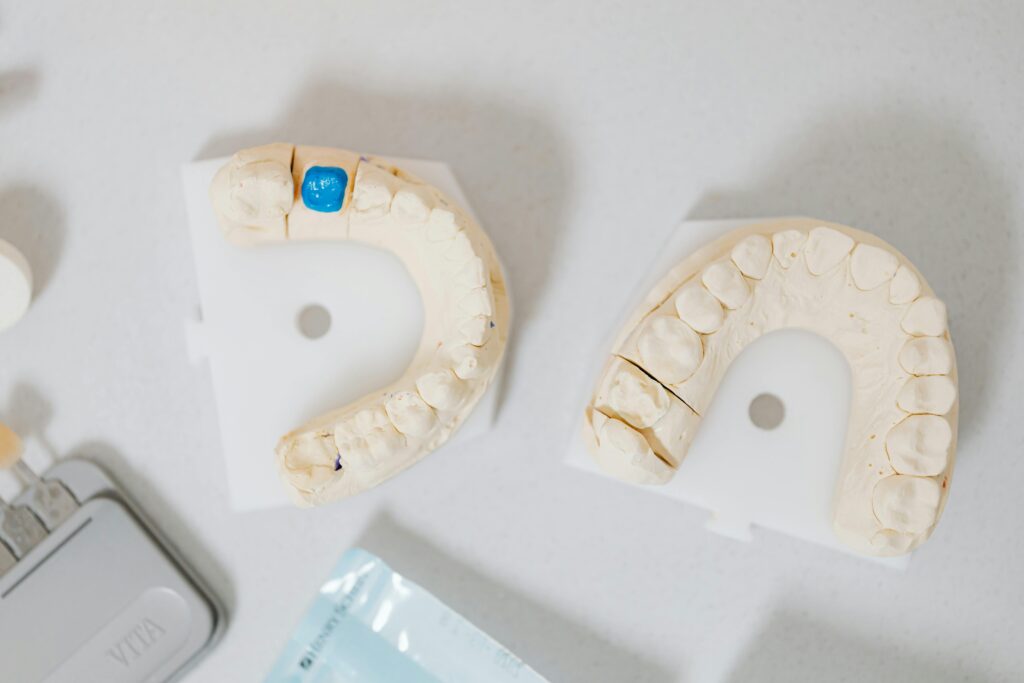
A healthy bite is easy to take for granted until something shifts. A cracked molar starts catching when you chew. An old filling gives way and suddenly one side of your mouth feels weaker than the other. A tooth that used to do its job quietly now flares with pain under pressure, and the small act of eating becomes something you think about far more than you want to.
That is where crowns often change the picture. When people hear the phrase Dental Crowns Oxnard CA, they usually think about repairing a damaged tooth or improving appearance. Those are important benefits, but the bite itself is often the bigger story. A well-made crown can restore strength, support proper chewing, reduce stress on neighboring teeth, and help your upper and lower teeth meet the way they should.
In practice, that matters every day. Your bite influences how efficiently you chew, how evenly force is distributed across your mouth, and in some cases how your jaw feels at the end of a long day. A crown is not a magic fix for every bite problem, but when it is planned carefully and fitted precisely, it can make a damaged tooth function like a dependable part of the system again.
What a crown actually does
A dental crown is a custom-made covering that fits over a damaged or weakened tooth. Think of it less as a cosmetic cap and more as a protective outer shell designed to restore shape, strength, and function. Dentists recommend crowns for several reasons, including large cavities, cracked teeth, broken cusps, root canal treated teeth, worn enamel, or old restorations that can no longer support the tooth predictably.
The key word is support. Teeth are subjected to considerable force, especially the back teeth. Even normal chewing can place heavy pressure on molars. If a tooth has lost too much natural structure, a filling may no longer be enough. The remaining walls can flex under pressure, and that is when fractures happen. A crown wraps around the prepared tooth and helps hold it together, which allows the tooth to handle chewing forces more safely.
That structural support is what makes crowns so relevant to bite improvement. A compromised tooth often changes the way a person chews Dental Crowns Oxnard CA without them realizing it. They shift food to the other side, avoid hard textures, or stop biting down fully because the tooth feels unreliable. Once a crown restores the tooth’s anatomy and strength, many patients return to a more balanced bite pattern.
Why your bite matters more than most people realize
A bite is not just whether your teeth touch. It is the relationship between the upper and lower teeth during chewing, clenching, speaking, and swallowing. Small discrepancies can create surprisingly noticeable problems. If one damaged tooth is lower than it should be, you may overwork neighboring teeth. If it is too high, the pressure can feel immediate and sharp. If a broken cusp has altered how the teeth interlock, chewing becomes less efficient and may aggravate the jaw muscles.
The mouth functions as a unit. One tooth that is structurally unsound can throw off comfort in several directions. I have seen situations where a patient came in focused on “just one cracked molar,” but the real complaint was fatigue on the opposite side because they had been favoring it for months. Once the crown was placed and adjusted properly, the patient’s chewing pattern evened out and the muscle strain eased.
That kind of change is one reason crowns are often both restorative and preventive. They do not just address the existing damage. They can help stop a chain reaction where overcompensation leads to wear, fractures, or tenderness elsewhere.
How crowns improve chewing function
The most immediate bite-related benefit of a crown is the return of proper tooth form. Teeth are not flat blocks. Each cusp, groove, incline, and contact point plays a role in how food is broken down and how the teeth guide against each other. When a tooth is chipped, heavily filled, worn down, or partially fractured, that anatomy is distorted.
A good crown rebuilds those details. On a back tooth, that means recreating the contours that help grind food effectively. On a front tooth, it may mean restoring the edge that helps bite through softer foods and supports speech. In both cases, the goal is not merely to make the tooth look complete. The goal is to make it function in harmony with the rest of the bite.
Patients often describe the improvement in practical terms. They say they can chew steak on that side again. Granola no longer triggers a jolt. They stop “testing” the tooth before biting down. These are simple changes, but they reflect something important: confidence in the restored tooth. When a tooth feels stable, chewing becomes more natural and less guarded.
Strength matters, especially on molars
Back teeth carry a heavy load. Molars are broad for a reason. They absorb and distribute force repeatedly throughout the day, and they are common sites for fractures, particularly when there are large old fillings. A crown can be the difference between keeping a tooth for years and losing it to a vertical crack that extends too far below the gumline.
This is especially relevant for people who grind or clench. Bruxism places extraordinary stress on teeth. In those cases, a crown can restore a damaged tooth, but the design and material matter. The dentist has to account for bite forces, habits, and the condition of the surrounding teeth. Sometimes a night guard is recommended afterward, not because the crown failed, but because the forces that damaged the original tooth are still present.
Not every weakened tooth needs a crown immediately, and good dentists do make those judgment calls carefully. If a more conservative restoration will predictably hold up, that may be the better path. But when too much tooth structure has been lost, preserving function often requires full coverage.
The role of crown shape in bite comfort
One of the least appreciated aspects of a crown is shape. Fit at the margin is critical for protecting the tooth and gums, but bite comfort often comes down to how the chewing surface is designed and adjusted. A crown that is only slightly too high can feel glaringly wrong. Patients sometimes describe it as hitting first, like that tooth lands before the others. That one pressure point can make chewing uncomfortable and can even trigger sensitivity.
On the other hand, a crown that is shaped too flat or too low may not support the bite well enough. Food can feel awkward during chewing, and neighboring teeth may take on extra force. The best result is a crown that restores contact where it belongs without creating a heavy spot.
This is where experienced clinical judgment shows. The dentist checks the bite in several ways, often having the patient bite, tap, and grind lightly on marking paper. Sometimes what looks fine on paper still needs a slight refinement based on how the patient closes naturally. Small adjustments can make a large difference.
When a crown can protect the rest of your mouth
A damaged tooth rarely stays an isolated issue for long. If one side is uncomfortable, people compensate. They chew on the other side, bite differently, or choose softer foods. That adaptation may feel minor, but over time it can shift the workload unevenly.
A crown can help by stabilizing the damaged tooth and bringing it back into the normal pattern of use. That helps protect other teeth from carrying more force than they should. It can also reduce the risk of food impaction if a broken or poorly restored tooth has lost proper contact with its neighbor. Tight, healthy contact points matter because they keep teeth aligned and help prevent food from packing between them.
There is also the question of wear. If one tooth has broken down significantly, the opposing tooth may super-erupt or wear irregularly as the bite relationship changes. Restoring the original height and contour with a crown can help maintain a healthier relationship between opposing teeth.
Situations where crowns often make a noticeable difference
Some patients know immediately that they need help. Others adapt to a failing tooth so gradually that they do not realize how much their bite has changed. These situations often deserve a closer look:
- A molar hurts or feels weak when chewing firm foods.
- A tooth has a large old filling with cracks around it.
- A root canal treated tooth feels brittle or has lost a lot of structure.
- One tooth seems to hit before the rest when you bite down.
- You avoid chewing on one side because it no longer feels reliable.
Any one of these does not automatically mean a crown is the answer. Diagnostic X-rays, a close exam, and a bite evaluation are part of making that call. Still, these are common patterns where crowns often improve function significantly.
Materials, aesthetics, and the reality of trade-offs
People understandably ask what crowns are made of, and the material can influence both durability and appearance. Porcelain and ceramic Dental Crowns Oxnard CA crowns are popular because they can look very natural. Zirconia is often chosen for its strength, especially in areas with heavier bite forces. Porcelain fused to metal is still used in some cases, though many modern practices lean toward metal-free options when appropriate.
There is no single best material for every tooth. Front teeth tend to demand excellent aesthetics and translucency. Back teeth need to hold up under pressure. Some patients have limited space between upper and lower teeth, which affects material choice. Others have strong grinding habits, where strength and thickness become major considerations.
A crown that looks beautiful but fractures under function is not a success. Likewise, a crown that is exceptionally strong but overcontoured or poorly integrated into the bite can create ongoing discomfort. Good treatment planning balances aesthetics, longevity, bite forces, and how much healthy tooth can be preserved during preparation.
Dental Crowns Oxnard CA and the value of local, individualized care
When patients search for Dental Crowns Oxnard CA, they are often looking for more than a procedure. They are looking for judgment, precision, and follow-through. Crowns are common, but they are not all the same. The quality of the result depends heavily on diagnosis, tooth preparation, the accuracy of impressions or digital scans, material selection, lab communication, and the final bite adjustment.
In a community like Oxnard, where patients range from young professionals to retirees and families with mixed dental histories, treatment needs vary widely. One patient may need a crown after a sports injury. Another may need one because a decades-old filling finally failed. Someone else may need a crown as part of rebuilding a worn bite after years of clenching.
That variety matters because a crown should fit the person, not just the tooth. A fisherman who chews ice and clenches under stress presents differently from an office worker with excellent home care but one root canal treated premolar. Both may need crowns, but the planning details will differ.
What the process usually feels like
For most patients, the crown process is straightforward. The tooth is examined, shaped to create room for the crown, and then recorded with an impression or digital scan. A temporary crown is usually placed while the final one is fabricated. At the second visit, the permanent crown is tried in, checked for fit and bite, and then cemented or bonded.
The temporary period often teaches patients something useful. If the temporary feels too high or odd, that feedback can help refine the final result. It is also a reminder that the bite is sensitive to very small changes. A fraction of a millimeter matters in the mouth.
One practical note from experience: patients sometimes expect the new crown to feel “invisible” immediately. Sometimes it does. Sometimes it takes a few days for the tongue and chewing muscles to accept the new contours, especially if the old tooth had been damaged for a long time. Mild awareness can be normal at first. Sharp pressure, persistent pain, or a sensation that the tooth is clearly landing first is not something to ignore. Those issues usually deserve a prompt adjustment.
Bite improvement after root canal treatment
Teeth that have had root canal treatment deserve special mention. Once the nerve is removed, the tooth can still function well, but it is often more vulnerable structurally, especially if a lot of the crown portion of the tooth was lost to decay or fracture. In many cases, placing a crown after root canal therapy is less about appearance and more about preventing the tooth from splitting under load.
From a bite perspective, this can be a major upgrade. A root canal treated molar without adequate coverage may remain in service for a while, but it is often living on borrowed time if it has thin walls. A crown gives that tooth a better chance to handle chewing force in a controlled way. That can preserve a stable bite and reduce the risk of a catastrophic break that leaves extraction as the only option.
Crowns are not the answer to every bite problem
It is important to be realistic. A crown can restore a damaged tooth beautifully and still not resolve jaw pain that stems from muscle tension, clenching habits, or a more complex bite disorder. Likewise, if multiple teeth are worn, shifted, or missing, one crown may help locally without fully correcting the broader issue.
That does not mean the crown lacks value. It means dentistry works best when the diagnosis is honest. If the problem is a cracked tooth, a crown may be exactly the right answer. If the problem is generalized wear from years of grinding, the crown may be one piece of a larger plan that includes protective appliances, selective adjustments, or additional restorative work.
Experienced dentists tend to be careful about that distinction. They do not promise that every symptom traces back to one tooth, and they do not place crowns casually when a simpler restoration can do the job predictably.
Keeping your crown and bite in good shape
Once a crown is placed well, maintenance becomes the next priority. A crown cannot decay the way natural enamel does, but the tooth underneath and around it can still develop problems if plaque collects near the margin or if the bite is abused over time.
A few habits make a real difference:
- Brush carefully at the gumline and floss the crowned tooth daily.
- Do not use teeth to open packaging or bite hard non-food items.
- Wear a night guard if you clench or grind in your sleep.
- Return if the bite feels high, sore, or different after placement.
- Keep regular exams so small edge problems are caught early.
Most crowns perform very well for many years, but longevity depends on oral hygiene, material choice, bite forces, and regular maintenance. A crown placed on a patient with meticulous care and a stable bite may last a long time. A crown placed in a heavy grinder who skips cleanings and ignores a high spot may have a harder road.
What patients often notice after a successful crown
The best crown results are not always dramatic. Often, what patients notice is the absence of a problem that used to dominate daily routines. They stop thinking about that tooth. They chew without planning around it. They do not wince when something crunchy lands on that side.
That kind of relief sounds simple, but it reflects real functional restoration. The tooth is carrying load again. The bite is more balanced. The surrounding teeth are no longer compensating to the same extent. In many cases, even speech and confidence improve because the patient is no longer preoccupied with protecting a vulnerable area.
For people exploring Dental Crowns Oxnard CA, that is the practical takeaway. A crown is not just a cover for a damaged tooth. Done well, it can restore strength, rebuild anatomy, protect against further fracture, and make your bite feel dependable again. When your teeth meet properly and chewing feels natural, the benefit reaches far beyond the treated tooth. It shows up at every meal, in every conversation, and in the quiet comfort of not having to think about your bite at all.
Omni Dental Specialty
1690 E Gonzales Rd
Oxnard, CA 93036, United States
Phone: +1 805-410-9603
FAQ About Dental Crowns Oxnard CA
What is the average cost of a crown in California?
The fee depends on the crown material, tooth condition and any additional treatment. Request an itemized estimate from Omni Dental Specialty after an examination, and confirm insurance benefits before scheduling.
How long do dental crowns last?
Longevity varies with the material, fit, oral hygiene and biting habits. Regular dental reviews help identify wear, damage or decay. A crown does not need replacement solely because it reaches a particular age.
Do teeth go bad under crowns?
Decay can develop in the remaining natural tooth, particularly near the crown margin. Brush with fluoride toothpaste, clean between teeth daily and keep dental appointments. Report new pain or looseness promptly.
Which crown is best for bruxism?
No material suits everyone. Your dentist assesses grinding, tooth position, bite forces and appearance before recommending a crown. A protective appliance may also be recommended to manage stress on the restoration.