Dental Crowns Oxnard CA: Protecting Weak Teeth Effectively
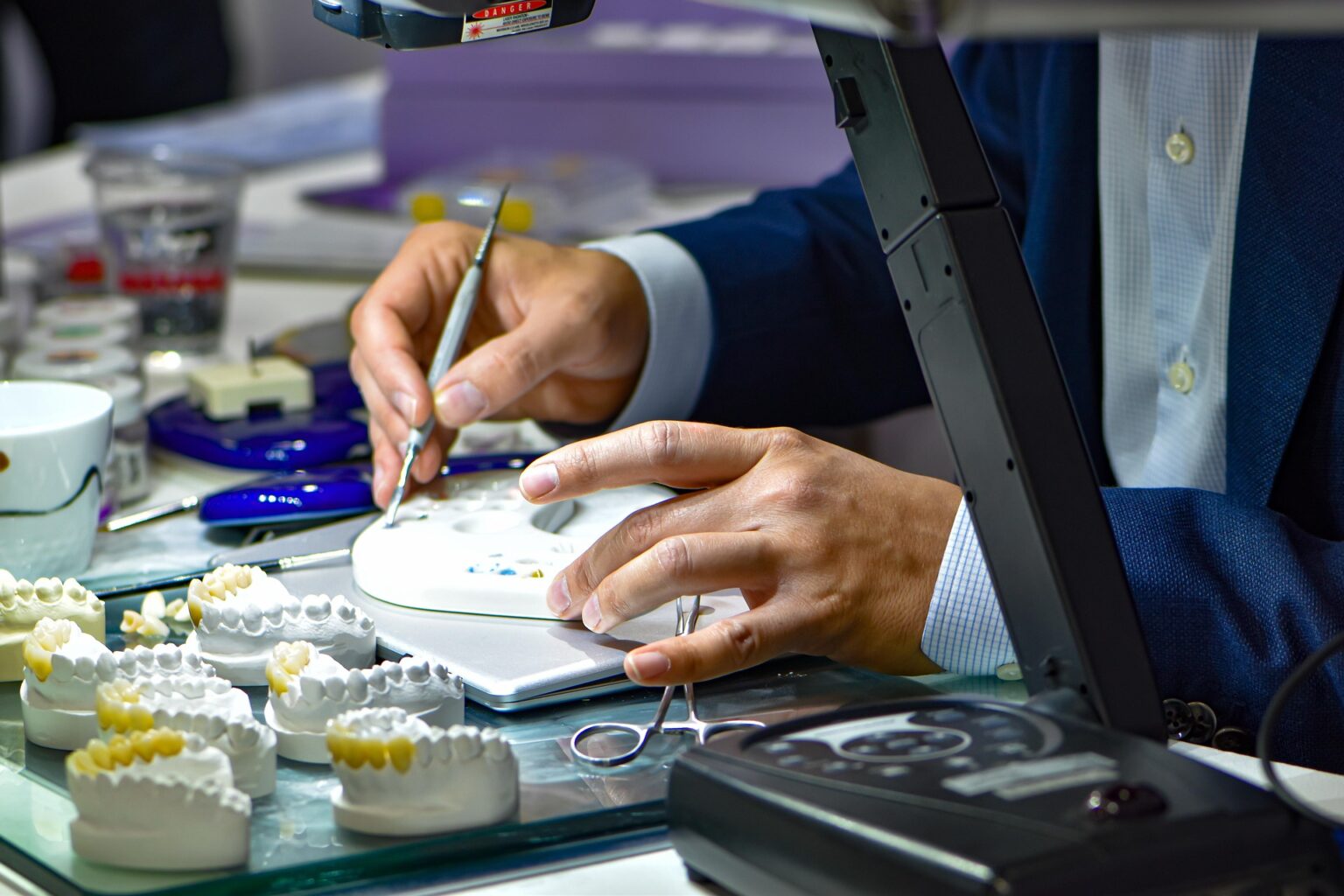
A weak tooth rarely announces itself with drama at first. More often, it starts with a small crack line, a filling that keeps breaking down, a dull ache when chewing on one side, or a tooth that suddenly feels different after years of behaving just fine. By the time many patients ask about dental crowns, they are not chasing cosmetics alone. They are trying to keep a compromised tooth from becoming a much bigger problem.
That is where crowns earn their reputation. When chosen for the right reason and designed well, a crown can reinforce a damaged tooth, restore function, and often help a person avoid extraction. In a practical sense, it works like a protective shell custom-made to fit over the visible part of the tooth. But that simple description leaves out the real value. A good crown does not just cover a tooth. It redistributes biting force, seals vulnerable structure, and gives someone the confidence to chew without bracing for pain.
For patients searching for Dental Crowns Oxnard CA, the most useful information is not marketing language. It is understanding when a crown is actually needed, how the process works, what trade-offs come with different materials, and what habits determine whether that crown lasts five years or fifteen or more.
When a weak tooth needs more than a filling
Dentists try to preserve as much natural tooth structure as possible. That matters because every treatment decision changes the biomechanics of the tooth. A small cavity can often be handled with a filling. A medium-sized fracture might call for bonding or an inlay. But once enough tooth structure is lost, a simple filling may no longer be strong enough to withstand normal chewing.
The pattern is familiar in practice. A patient gets a filling, then another one in the same tooth years later, then a corner chips off, then sensitivity begins after cold drinks or crunchy foods. At some point the remaining tooth walls become thin, almost like the sides of an eggshell. At that stage, patching the center of the tooth does not solve the real problem. The whole tooth is structurally compromised.
A crown becomes the better option when the tooth needs circumferential protection. That often includes teeth with large old fillings, cracked cusps, root canal treatment, advanced wear from grinding, or fractures that have not extended below the gumline. In those cases, the question is less about whether the tooth looks intact and more about whether it can handle force day after day without splitting further.
One common scenario involves a molar after root canal therapy. People are often surprised to hear that the nerve removal itself is not what weakens the tooth most. The larger issue is usually how much internal structure was already lost from decay, access preparation, and prior restorations. Back teeth absorb significant chewing pressure. Without full coverage, they are more likely to fracture.
What a crown actually protects against
Patients sometimes picture a crown as a cap placed mainly for appearance. Appearance can certainly improve, especially with front teeth, but protection is the clinical priority in many cases.
A properly fitted crown helps guard against several problems at once. It can reduce flexing of thin tooth walls, lower the risk of chunks breaking off during chewing, shield exposed dentin that causes sensitivity, and create a more stable biting surface. When a tooth has a crack that has not yet become catastrophic, a crown may also reduce the wedging forces that make cracks propagate.
That said, a crown is not magic armor. If a crack extends too far into the root, or if the tooth has little sound structure left above the gumline, the long-term outlook changes. This is one of the most important judgment calls in dentistry. Placing a crown on a tooth with poor structural prognosis may buy time, but it does not always create lasting predictability. An honest discussion about limits matters just as much as technical skill.
Signs a crown may be the right move
Some teeth clearly need crowns on X-rays and exam findings. Others sit in a gray zone where experience and judgment make the difference. Patients often ask what symptoms should prompt evaluation, and several patterns come up repeatedly in real practice:
- Pain or pressure when biting down, especially on hard foods.
- Repeated breakage of an old filling or tooth corner.
- Lingering sensitivity after a crack, cavity, or large restoration.
- A tooth treated with root canal therapy, particularly a molar or premolar.
- Noticeable wear, flattening, or chipping linked to grinding or clenching.
None of those signs automatically means a crown is required, but they do justify a close look. Sometimes a seemingly minor symptom reveals a tooth that is one strong bite away from a larger fracture.
The evaluation stage matters more than people think
A crown is only as good as the diagnosis that led to it. If the pain comes from gum inflammation, sinus pressure, bite imbalance, or a neighboring tooth, crowning the wrong tooth will not solve much. Good evaluation takes time and usually includes clinical testing, bite assessment, X-rays, and often a close look at crack lines, existing fillings, and how the opposing teeth come together.
This is where experience shows. A tooth can look acceptable on a radiograph but still behave like a cracked tooth clinically. Another may appear heavily restored yet remain stable for years with a more conservative approach. There is no single percentage of tooth loss that dictates a crown every time. The decision depends on location in the mouth, remaining wall thickness, the patient’s bite force, parafunctional habits such as clenching, and whether the tooth has already proven unreliable.
Patients looking into Dental Crowns Oxnard CA often benefit from asking a simple question during the exam: what happens if we do not crown this tooth now? The answer reveals a lot. If the dentist says the tooth is at high risk of fracture and may become non-restorable if it breaks, that is very different from saying a crown is optional and mainly cosmetic.
What happens during the crown process
The crown process feels much less mysterious once it is broken into its real steps. After diagnosis and treatment planning, the tooth is shaped to create room for the crown material. The amount of reduction depends on whether the crown will be porcelain, zirconia, metal, or another ceramic. The dentist also removes weak or decayed areas and may build up the core of the tooth if internal support is missing.
Impressions or digital scans are then taken so the lab can create a restoration matched to the tooth’s contours, bite, and shade. In many offices, a temporary crown is placed while the final crown is being fabricated. Temporaries matter more than patients expect. A loose or poorly fitting temporary can lead to tooth movement, gum irritation, or sensitivity, which makes final seating harder.
At the delivery visit, the final crown is tried in, checked for fit and contact with neighboring teeth, adjusted in the bite, and cemented or bonded depending on the material Dental Crowns Oxnard CA and clinical situation. The best crowns disappear into the bite. They should not feel high, bulky, or rough. A slight adjustment period is normal, but a crown that still feels off after several days deserves reevaluation.
Chairside technology has changed parts of this process, and same-day crowns can be excellent in suitable cases. Even so, the fundamentals have not changed. Precision in preparation, margin design, bite management, and material selection still determines whether the restoration performs well long term.
Choosing the right crown material
Not all crowns are built from the same material, and each category has strengths and trade-offs. The right choice depends on the tooth’s location, cosmetic demands, biting force, available space, and whether the patient grinds at night.
All-ceramic and porcelain-based crowns can look highly natural, which makes them a common choice for visible front teeth. When done well, they mimic translucency and blend with neighboring enamel. Their limitation is that some ceramic systems require more thickness or can be less forgiving under extreme bite stress, depending on the exact material used.
Zirconia has become popular because it is strong and can work well in back teeth where durability matters. It is not identical to every other ceramic, though. Different zirconia formulations vary in strength and translucency. In heavy grinders or patients with strong bites, zirconia often enters the conversation because it tolerates force well. The trade-off can be esthetics, especially compared with more lifelike ceramics in highly visible zones.
Porcelain fused to metal crowns have served dentistry for decades. They can be durable and functional, though some patients dislike the possibility of a darker margin over time if gums recede. Full metal crowns remain among the most durable restorations for certain back teeth, but they are usually chosen when visibility is minimal and function outweighs cosmetic concerns.
This is not an area where a one-size-fits-all answer works. A front tooth for a patient with a high smile line raises different priorities than a second molar for someone who clenches through the night. The best material is the one that suits the clinical reality, not the one with the trendiest reputation.
Why fit and bite are just as important as material
Patients naturally focus on what a crown is made of, but many failures have less to do with material and more to do with execution. Marginal fit influences whether bacteria and decay gain a foothold at the edge of the crown. Contact with adjacent teeth affects food trapping and gum health. Bite alignment determines whether the crown shares force appropriately or absorbs too much stress in one spot.
A crown that is slightly high can make a person instinctively shift their bite. That may create jaw fatigue, tooth soreness, or wear elsewhere. A contact that is too open can cause constant food packing and inflamed gums. Even a beautiful crown will disappoint if it is not integrated properly into the rest of the mouth.
This is one reason rushing the process often backfires. Careful shade matching, tissue management, clear impressions or scans, and thoughtful occlusal adjustment all matter. In the hands of an experienced clinician, these details are not extras. They are the treatment.
How long crowns usually last
Patients understandably want a simple lifespan number. The reality is a range. Many crowns function well for 10 to 15 years, and plenty last longer. Some fail much sooner. What determines that spread is rarely luck alone.
A crown’s lifespan depends on the condition of the underlying tooth, the quality of the crown and cementation, gum health, home care, diet, and biting habits. Someone who clenches hard, chews ice, and skips cleanings will generally see more problems than someone with a balanced bite and solid maintenance habits. Recurrent decay at the crown margin remains a major reason crowns need replacement. Gum recession and root exposure can also change the environment around the crown over time.
There is also a difference between a crown that is technically still in place and one that is thriving. A restoration may remain cemented while showing early margin breakdown, wear, bite imbalance, or gum irritation. Regular exams allow those issues to be caught early, when they are easier to manage.
The role of crowns after root canal treatment
This topic deserves special attention because it causes a lot of confusion. After a root canal, some patients feel great and wonder why another restoration is necessary. If the tooth no longer hurts, the treatment can seem complete. But symptom relief and structural protection are not the same thing.
Back teeth that have had root canal treatment often require crowns because they have already lost significant structural integrity. A root canal-treated molar may function comfortably without a crown for a short period, then fracture suddenly on a normal meal. The absence of pain does not mean the tooth is now stronger. In fact, it is often more vulnerable to breaking because it has already been hollowed, filled, and stressed by prior disease.
Front teeth are a little different. Some may not need crowns if enough healthy tooth remains and biting forces are lighter. This is where individualized planning matters. A blanket rule is less helpful than a careful look at actual structure, bite, and esthetic needs.
Crowns, grinding, and the patient who breaks everything
Every dental office sees them, the patient whose fillings chip, whose night guard shows deep wear, whose jaw muscles stay tense, and whose teeth keep taking punishment. In those mouths, placing a crown without addressing the bite environment is only part of the answer.
Bruxism changes the crown conversation because force becomes a central factor. A strong restoration can still fail when subjected to chronic lateral stress. Natural teeth can crack, porcelain can chip, and cement can fatigue. If a patient grinds or clenches, especially at night, a custom night guard is often one of the smartest ways to protect the investment.
This is also where expectations need to be realistic. A crown can reinforce a weak tooth, but it cannot erase years of destructive habits or muscle-driven overload. Sometimes the long-term success of the crown depends as much on behavior and protective appliances as on the original procedure.
Cost, value, and the false economy of delay
Crowns are not trivial expenses, and cost matters. Patients deserve transparent pricing and a clear explanation of why a crown is being recommended. But delaying necessary protection can become far more expensive if the tooth fractures beyond repair.
A cracked or heavily restored tooth often follows one of two paths. If it is crowned in time, the tooth may remain serviceable for many years. If it breaks deeply before being protected, the treatment path can shift toward extraction, grafting, and implant replacement, which usually costs more and takes longer. From a value standpoint, the crown is often less about spending on a cap and more about preserving a strategic tooth before options narrow.
Insurance can help in many cases, though plans vary widely in waiting periods, annual maximums, and how they classify replacement or build-up procedures. Patients should ask for specifics rather than broad assurances. A pre-treatment estimate often prevents surprises.
Recovery and what to expect afterward
Most crown appointments are very manageable. Mild soreness around the gumline is common for a day or two after tooth preparation, and some teeth remain temperature-sensitive for a short period, especially if a lot of existing work was removed. Temporary crowns can feel slightly different from natural teeth, but they should not be painful or unstable.
After the final crown is placed, the bite should feel comfortable fairly quickly. Some patients need a small adjustment once they start chewing normally at home, which is not unusual. What should not be ignored is persistent pain on biting, prolonged cold sensitivity that worsens, floss shredding between teeth, or a feeling that the crown is too tall. Those signs deserve a prompt check.
Eating habits matter during the temporary phase. Sticky foods can dislodge a temporary crown, and very hard foods can stress an already vulnerable tooth before the final crown is in place. Once the permanent crown is cemented, normal eating can usually resume, though common-sense caution still applies. Teeth are tools for chewing, not for opening packages or crushing ice.
Keeping a crown healthy for the long haul
Crown maintenance is straightforward, but not optional. The crown itself cannot decay, yet the tooth underneath still can, especially at the margin where restoration meets tooth structure. Plaque retention around that edge is one of the main reasons otherwise good crowns fail early.
A few habits make a clear difference over time:
- Brush thoroughly along the gumline, not just the top surfaces.
- Floss daily and slide the floss gently to avoid traumatizing the gum.
- Keep recall visits and cleanings consistent so margins can be monitored.
- Wear a night guard if clenching or grinding is part of the picture.
- Avoid using crowned teeth to bite hard non-food items.
Those are not glamorous recommendations, but they are the habits that preserve dental work. Most failed crowns do not fail dramatically. They fail slowly, through recurrent decay, chronic inflammation, or years of overload that could have been reduced.
Questions worth asking before you commit
Patients often focus on whether they need a crown, but a better conversation asks how predictable that crown is likely to be. It is reasonable to ask how much healthy tooth remains, whether the tooth has a crack, what material is being recommended and why, whether a build-up is needed, and what risks exist if treatment is postponed.
Another smart question is whether there are conservative alternatives. Sometimes there are. A partial coverage restoration, bonded onlay, or replacement filling may be appropriate depending on the case. Sometimes there are not, and hearing why helps patients make informed decisions instead of feeling pushed toward the most extensive option by default.
For anyone researching Dental Crowns Oxnard CA, the goal should be clarity, not just speed. A well-planned crown on the right tooth can be one of the most valuable restorations in dentistry. A poorly indicated crown or a rushed one can become a source of frustration, discomfort, and repeat cost.
Why timing makes such a difference
There is a narrow window where a weak tooth is still restorable, still predictable, and still worth protecting with a crown. Once that window closes, the fracture may extend under the gumline or into the root, and treatment becomes more Dental Crowns Oxnard CA complex. Patients often assume that if they can still chew, they have time. Sometimes they do. Sometimes that assumption lasts right up until a piece of the tooth breaks off over dinner.
The best outcomes usually happen when a crown is placed before a weak tooth fails catastrophically. That does not mean every large filling needs immediate full coverage. It means warning signs should be taken seriously, evaluated carefully, and addressed with the right level of treatment.
Crowns work best when they are part of a broader strategy, preserve what can still be saved, stabilize the bite, respect the remaining tooth structure, and fit the way the patient actually uses their mouth every day. That is what protecting weak teeth effectively really means.
Omni Dental Specialty
1690 E Gonzales Rd
Oxnard, CA 93036, United States
Phone: +1 805-410-9603
FAQ About Dental Crowns Oxnard CA
What is the average cost of a crown in California?
The fee depends on the crown material, tooth condition and any additional treatment. Request an itemized estimate from Omni Dental Specialty after an examination, and confirm insurance benefits before scheduling.
How long do dental crowns last?
Longevity varies with the material, fit, oral hygiene and biting habits. Regular dental reviews help identify wear, damage or decay. A crown does not need replacement solely because it reaches a particular age.
Do teeth go bad under crowns?
Decay can develop in the remaining natural tooth, particularly near the crown margin. Brush with fluoride toothpaste, clean between teeth daily and keep dental appointments. Report new pain or looseness promptly.
Which crown is best for bruxism?
No material suits everyone. Your dentist assesses grinding, tooth position, bite forces and appearance before recommending a crown. A protective appliance may also be recommended to manage stress on the restoration.